
Optimold Foundations

Parametric design software for optimized 3D-printed foundation molds.

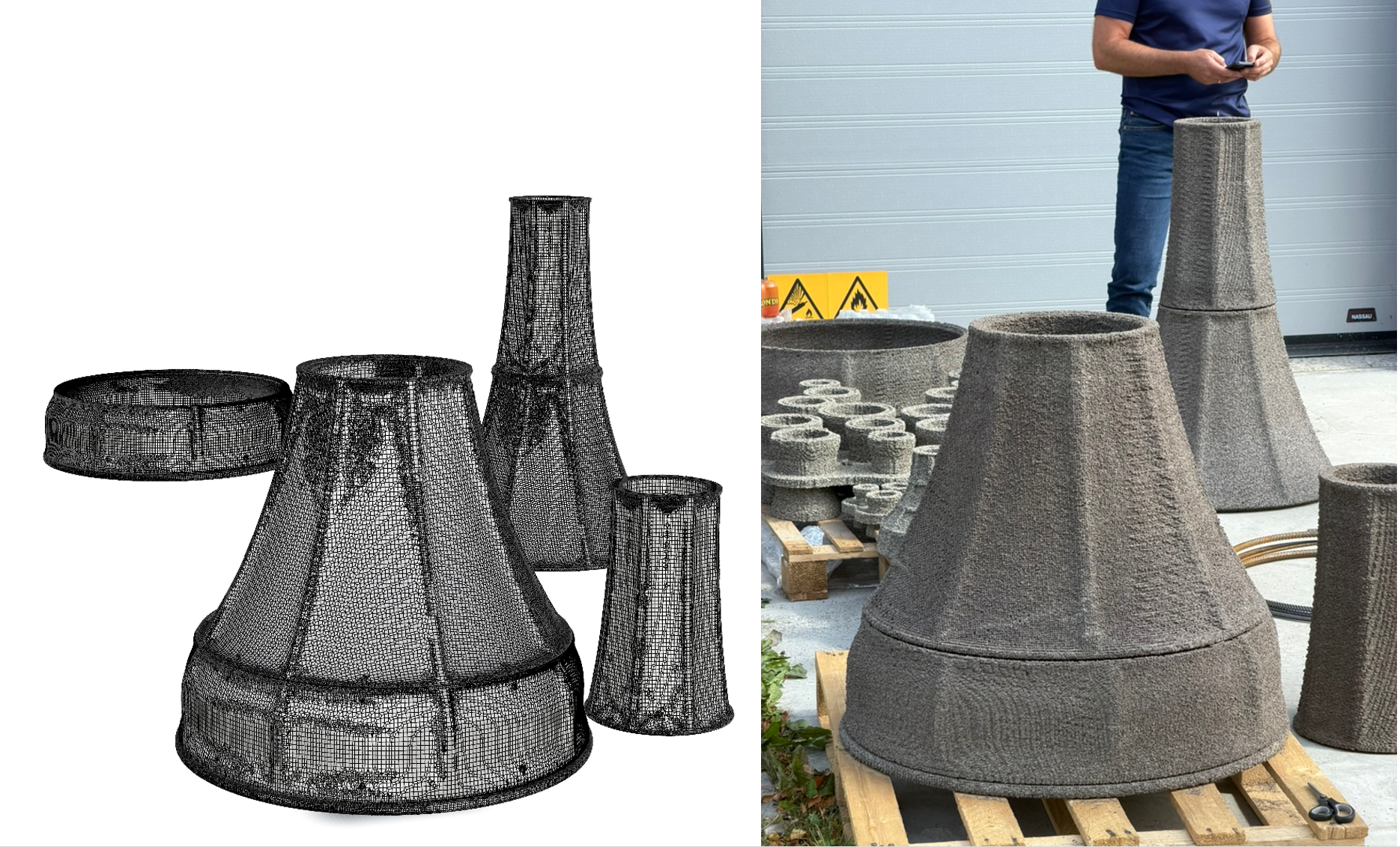
Wireframe view of an optimized 3D-printed foundation mold.

Project Summary

Challenge

Scawo3D and Skeno had access to a printer capable of handling complex geometries, but generating each 3D model manually was too time-consuming for bespoke foundation molds.

What We Built

We built a parametric modelling workflow, so a user can input geometry parameters and receive a file ready for print. With our structural engineering experience, we were also able to integrate structural requirements directly into the geometry generation.
Project Details

The Product

Scawo3D and Skeno want to deliver a mold for foundations that can reduce the casting operations on site from 2 to 1 per foundation, that can be carried and assembled without the use of cranes, and that can reduce material usage. The foundation concept is currently being tested with a large Danish contractor and consulting firm.

The Software

We helped Scawo3D and Skeno with structural engineering, product development, and software development. Our software is Grasshopper-based and takes a few input parameters, then provides a full watertight mesh that can be sent directly to the printer. To make the script robust, we use a combination of meshes controlled by distance functions and voxel-based Boolean operations. This setup avoids the usual tolerance issues you would encounter when trying to create this kind of geometry.

Gallery

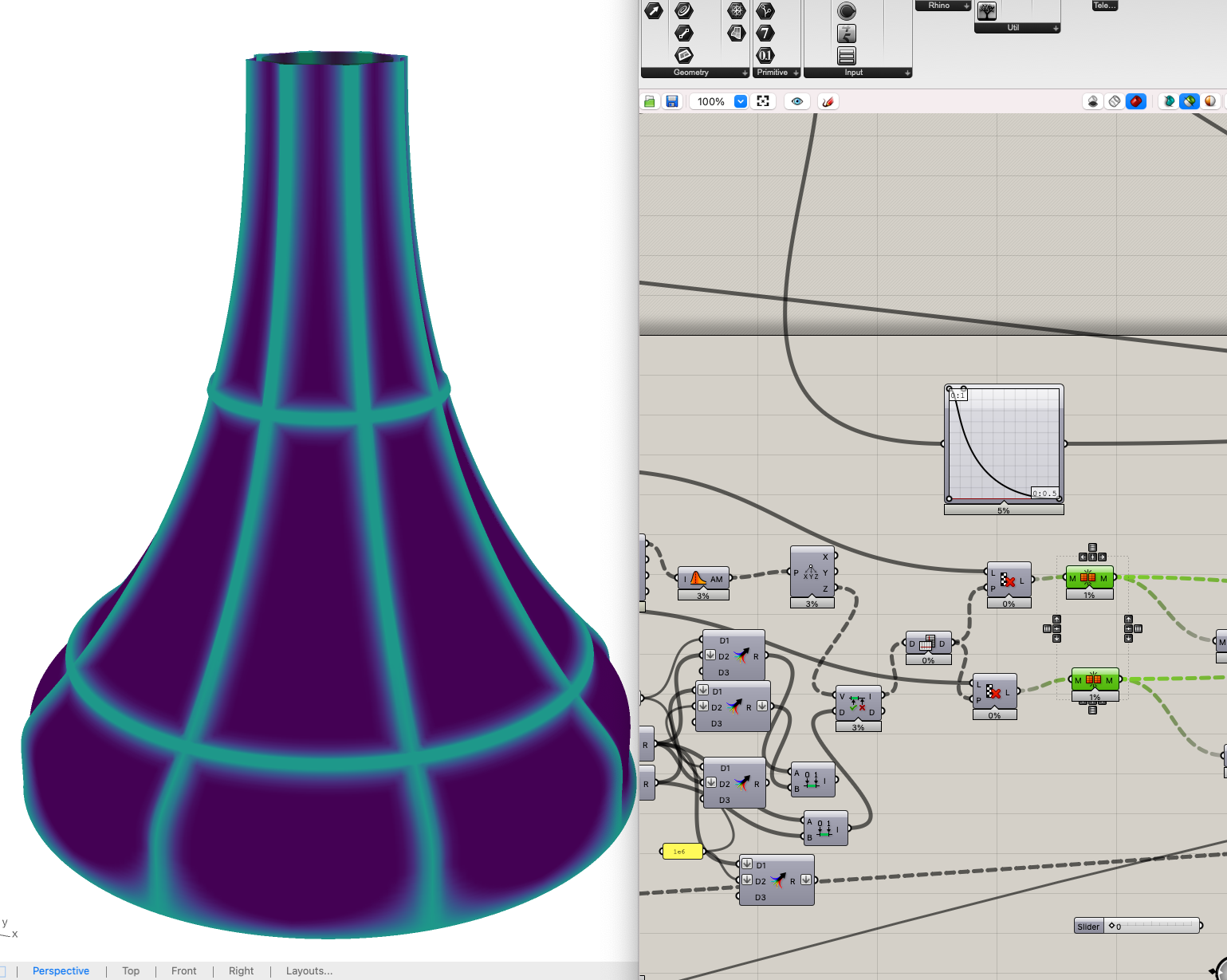
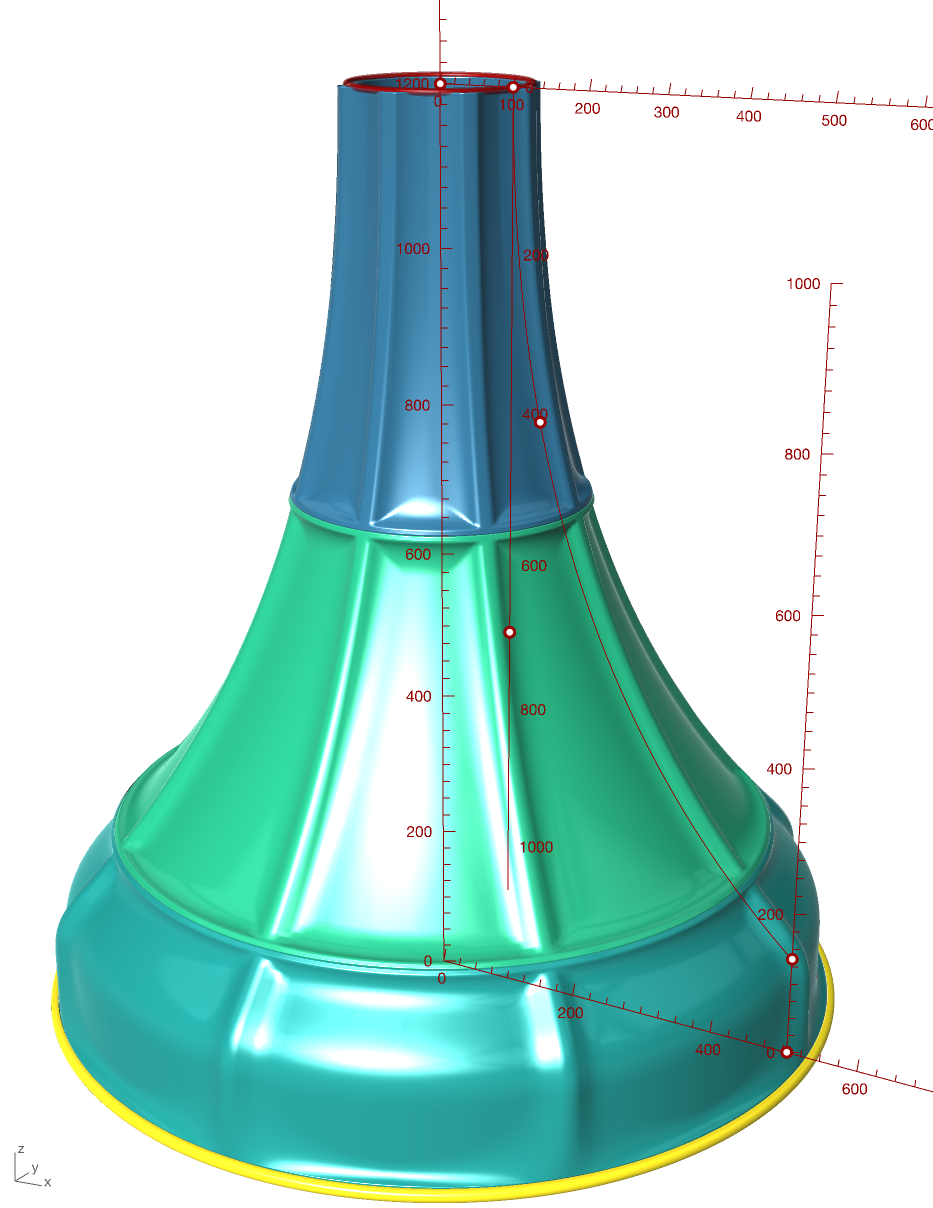
Software view showing distance-function logic and generated mold geometry.
Distance-function logic drives the mold geometry.
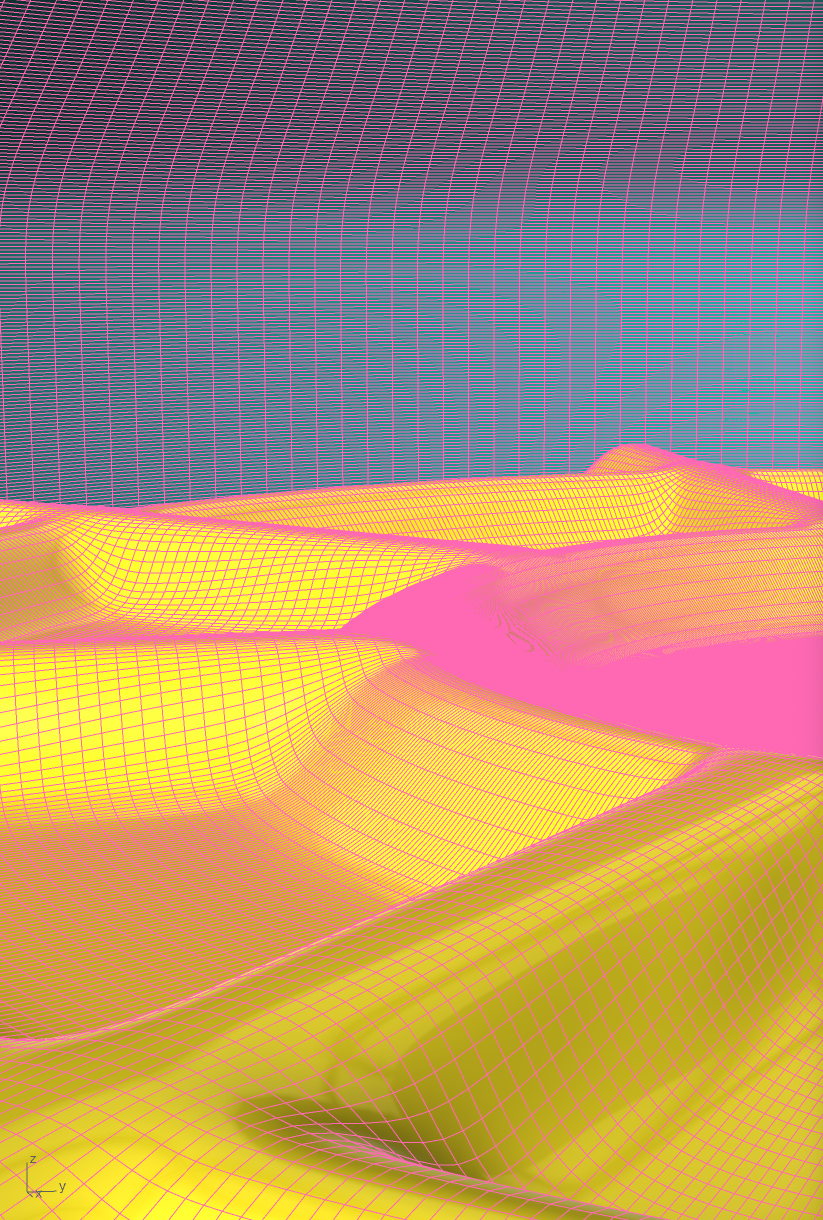
Close-up software view of smoothed mesh geometry for the foundation mold.
Function-based mesh editing ensures smooth meshes.
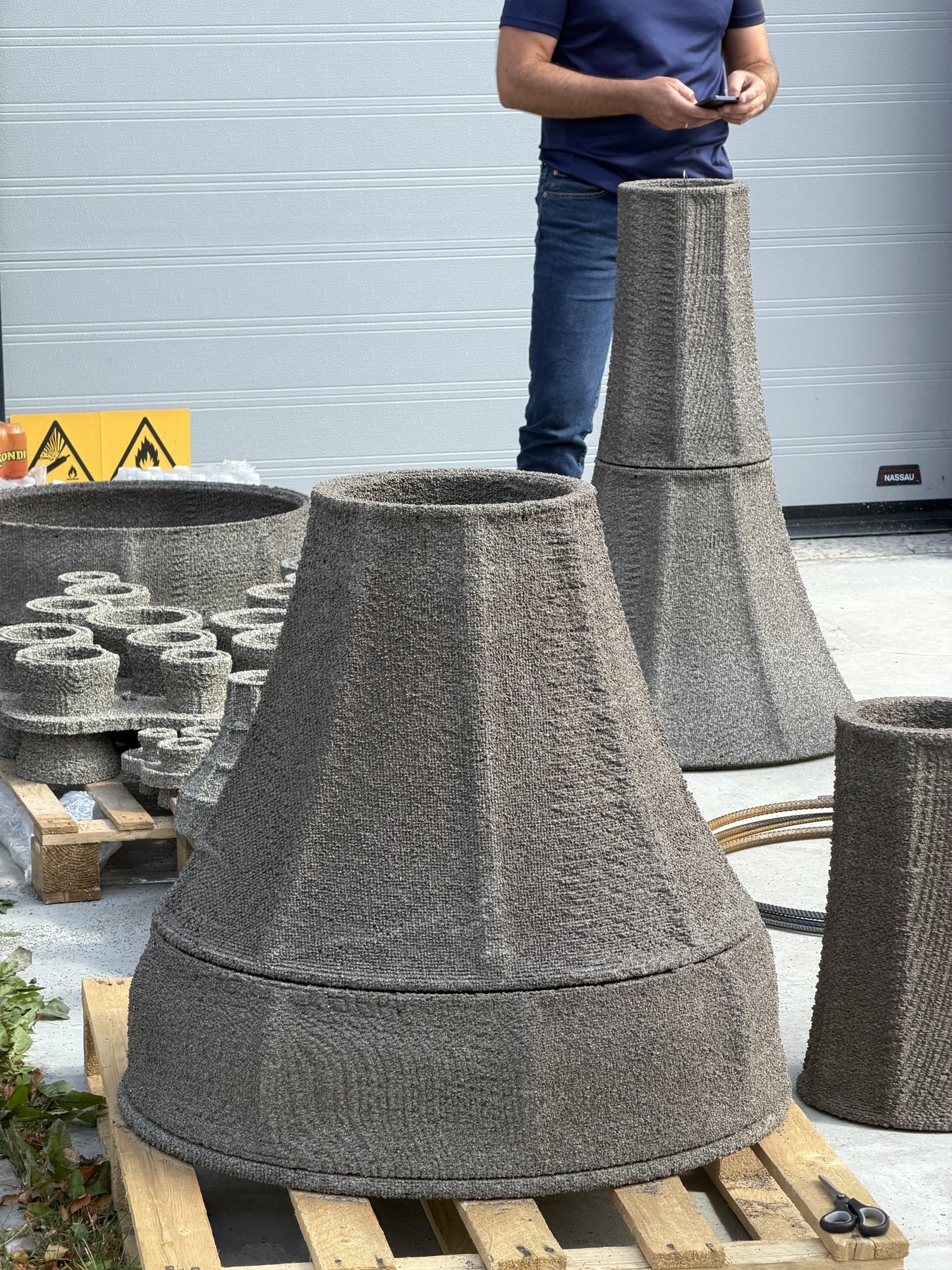
3D-printed foundation mold prototype at a testing site.
Printed prototype during testing.
Parametric software controls for the optimized foundation mold.
Parametric controls make the mold adjustable instead of manually remodeled.
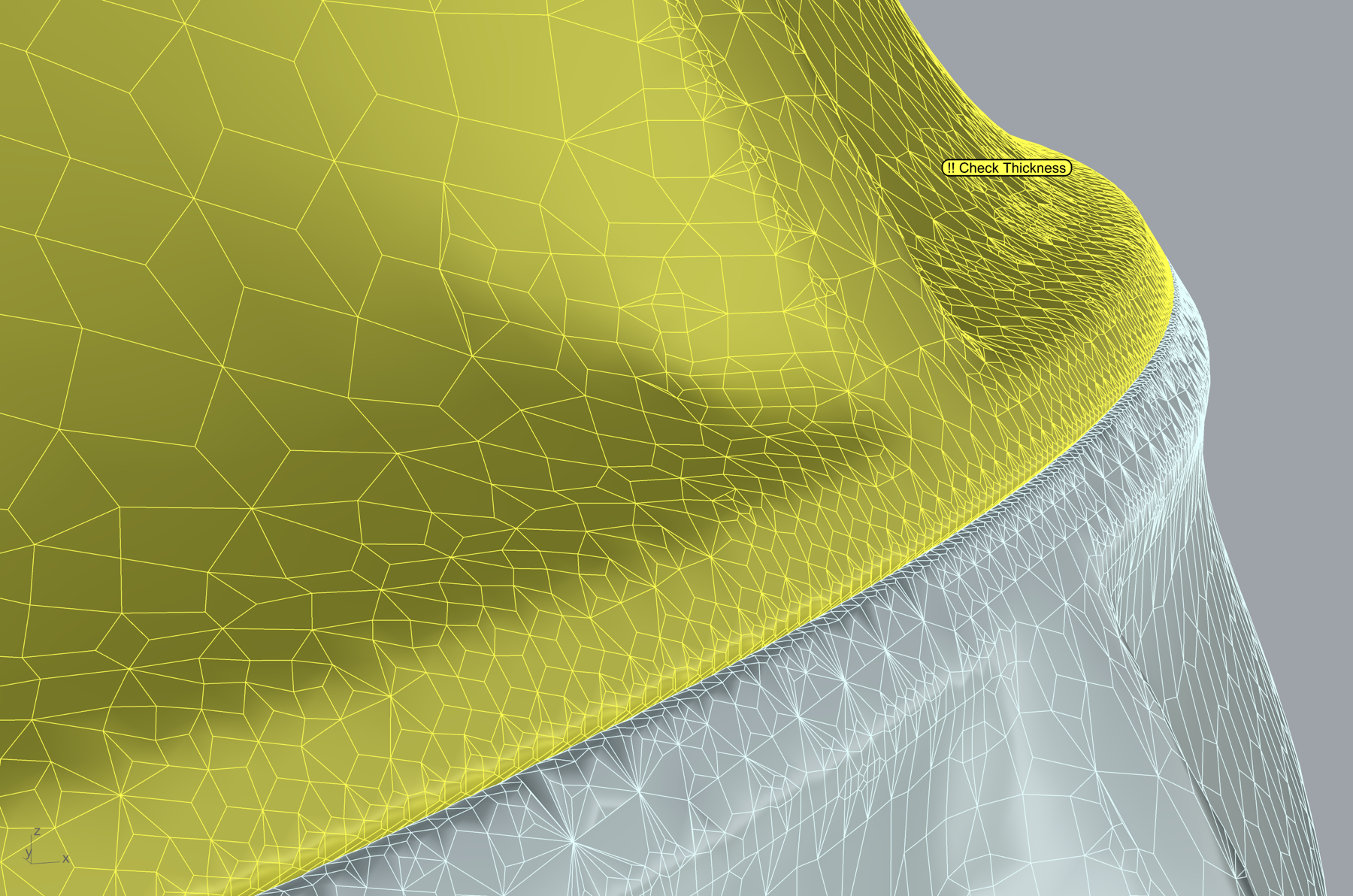
Software viewport showing a thickness check on foundation mold geometry.
Geometry checks help turn complex mold surfaces into printable output.
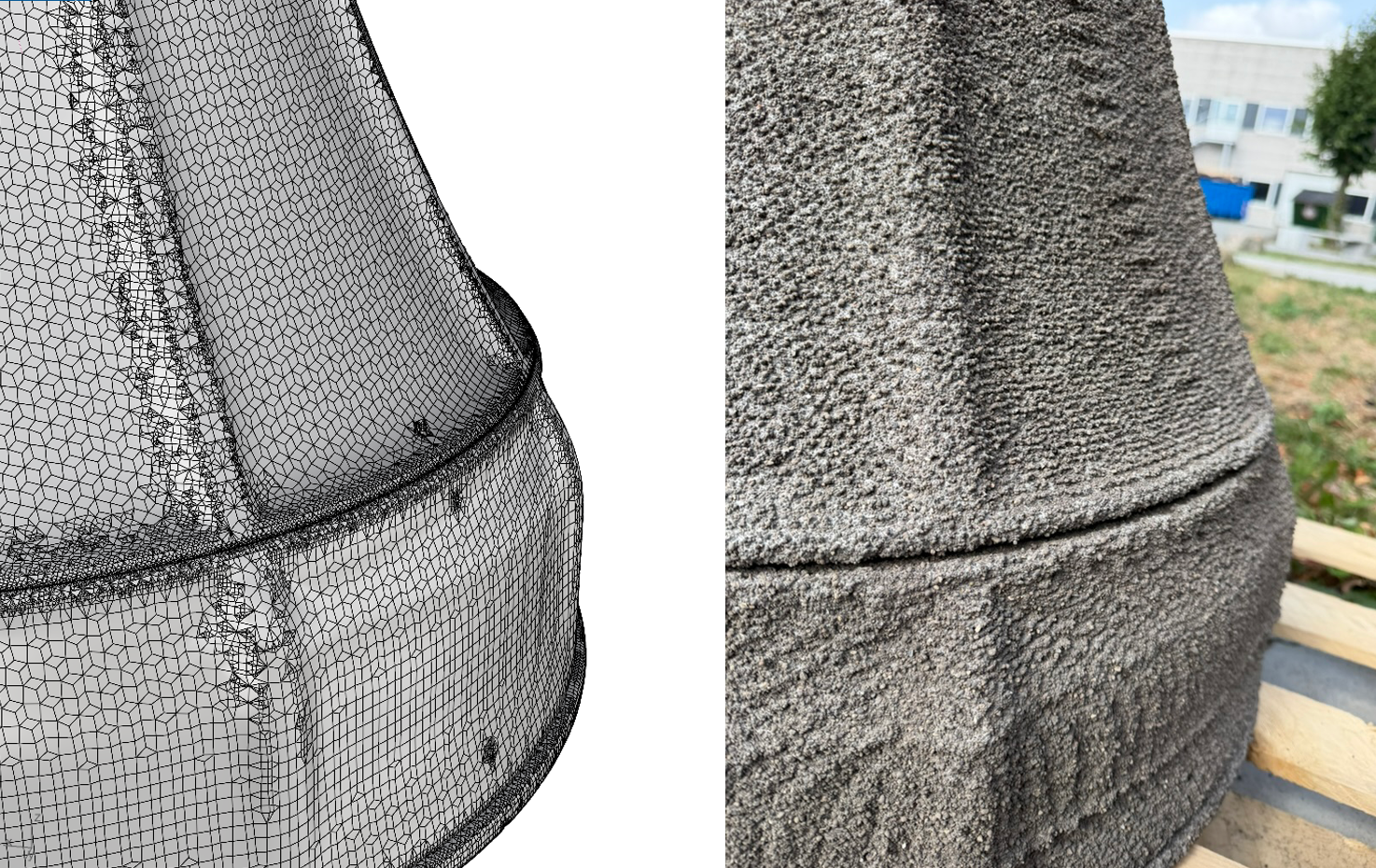
Comparison of digital mesh geometry and the printed foundation mold surface.
Digital geometry compared with the physical printed surface.
Software view showing distance-function logic and generated mold geometry.
Distance-function logic drives the mold geometry.
Parametric software controls for the optimized foundation mold.
Parametric controls make the mold adjustable instead of manually remodeled.
Close-up software view of smoothed mesh geometry for the foundation mold.
Function-based mesh editing ensures smooth meshes.
Software viewport showing a thickness check on foundation mold geometry.
Geometry checks help turn complex mold surfaces into printable output.
Comparison of digital mesh geometry and the printed foundation mold surface.
Digital geometry compared with the physical printed surface.
3D-printed foundation mold prototype at a testing site.
Printed prototype during testing.